

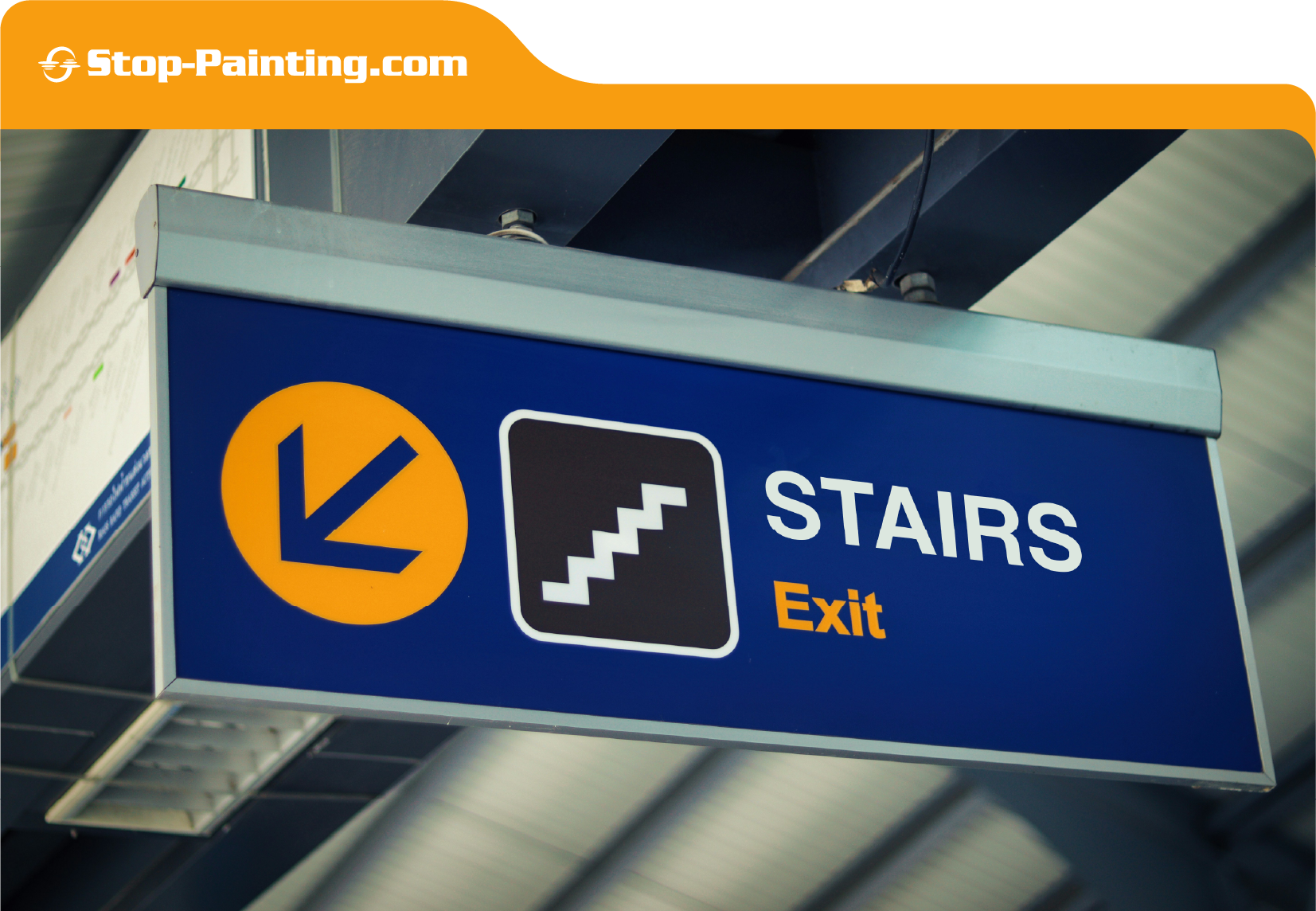
Visual cues improve safety in public transportation hubs and make it easier for travelers to navigate busy spaces, preventing congestion and enhancing the passenger experience. From airports and train or bus stations to parking garages and passenger pick-up areas, these public spaces benefit from clear, consistent signage and markings. Choose the right floor or pavement marking product for your purpose, then consider our ideas and tips for using visual cues in public transportation hubs.
How To Choose the Right Product for Public Transportation Hubs
Public transportation hubs are subject to heavy daily traffic, making it imperative to choose the right products to stand up to the harsh conditions. When it comes to marking transportation hubs, you have the choice of three different materials, each offering benefits depending on your needs:
- Pavement Tape and Signs: Our pavement tape and signs are made with a flexible rubber base, glass beads, and anti-skid aggregate which offer exceptional reflectivity and lasting adhesion on asphalt surfaces, making them ideal for marking outdoor areas at public transportation hubs.
- Stencils and Paint: Stencils allow you to create crisp, clear markings on pavement surfaces in parking lots and roadways. Painted pavement markings are long-lasting and easy to customize to your needs, but require significant time for installation.
- Floor Tape and Signs: Superior Mark® floor tape and signs feature heavy-duty recessed adhesive and beveled edges to withstand all types of traffic and is ideal for marking floors in interior spaces.
Where To Use Visual Cues for Public Transportation
Here are some ways to use visual cues to improve safety and traffic flow in public transportation hubs from subway stations to parking garages.
Subways
In many cities, subway lines are designated by different colors. Make it easy for commuters to identify where they are when they exit the train by using floor markings that match the color line they are on. For stations that service more than one line, color coding helps to ensure that commuters are on the correct platform.
Use text to communicate “Mind the Gap” or other safety messaging and floor arrows and other pre-cut floor marking shapes to direct passengers to exits, platforms, and transfer points. Distinct lines guide foot traffic and reduce congestion throughout the platform, ultimately minimizing stress and confusion for people traveling through them. Use glow-in-the-dark tape to mark exit routes so they remain visible in low lighting or during a power outage.
Airports
Pavement and sidewalk markings are essential for ensuring continuous traffic flow and minimizing confusion at key points in airports, especially at primary exits and entrances. Directional cues help visitors to navigate large or small facilities. Use floor and pavement markings for better efficiency in key areas.
- Drop-Off and Pick-Up Lanes: Label drop-off and pick-up lanes with “No Parking” or diagonal stripe pavement markings to communicate that drivers should not leave vehicles unattended.
- Baggage Drops: Designate exterior baggage drops and associated queuing areas with pavement marking tape designed for use in outdoor conditions.
- Directional Cues: Pavement markings on sidewalks and roadways can direct visitors to the appropriate terminal, parking garage, or taxi and bus pickup areas outside airports. Supplement pavement arrows with stenciled letters or words to provide context.
Train and Bus Stations
Clear visual cues are imperative to provide information and directions to visitors moving through train or bus stations. Whether it’s a combo train/bus station or separate facilities, these public transportation hubs benefit significantly from floor markings. Let’s take a look at a few specific examples.

- Platform Markings: Use arrows and lines to guide passengers to the correct platforms or bus bays. Large stenciled numbers supplement overhead signage and reduce confusion about where passengers should wait for their train. Mark platform edges and the boundaries of safe standing zones with hazard or repeating message tape that reinforces safety messaging.
- Ticketing Areas: Keep entrances and ticketing areas organized by marking queues for counters and self-service kiosks with color-coded floor tape. In busy stations where more significant organization is warranted, physical barriers can help keep lines orderly.
- Waiting Areas: Manage crowds by designating waiting areas with floor markings and reserve accessible seating and priority areas for elderly and disabled passengers with floor markings featuring universally recognized symbols.
Uber/Lyft/Taxi Waiting Areas
Mark waiting areas directly outside bus, subway, or train stations and airports for Uber, Lyft, taxis, and other rideshare vehicles. To avoid traffic jams and ensure passengers know where to go, clearly mark designated pickup and drop-off zones. Organize further by marking lanes with custom stencils or pavement tape to designate rideshare companies; using logos helps indicate the appropriate waiting and parking areas for each. Outline queue areas with floor or pavement markings and supplement with physical posts, barriers, or dividers during busy times. Upright signs and floor signs can help direct passengers to the correct waiting areas.

Parking Garages
Address parking lot safety and efficiency concerns in parking garages using pavement marking tape or paint and stencils. Designate special zones, including areas for electric charging, accessible parking, or reserved spots. Organized vehicle flow is especially important in parking garages as visibility is limited. Use arrows and lines to indicate the correct direction of traffic and guide drivers to the exit; mark pedestrian walkways and crossing areas to ensure safety for people on foot. As parking garages can be dim, even during daylight hours, choose reflective or glowing tape to supplement visual cues for better visibility in low-light conditions.
General Tips for All Hubs
Whether you’re marking subway platforms or parking garages, follow these tips to make your painted or taped cues more effective.
- Color Coding: Use different colors for different types of information, and use any standardized color designations and required symbols—for example, label emergency exits in red. Or, in parking garages, use different colors to designate different levels, so people can more easily remember where they left their vehicle. On subway platforms or bus stations, color coding can easily differentiate routes for quick identification by passengers.
- Consistency: Whatever system you choose for your floor markings, color, text, and symbols should be used consistently throughout a transportation hub to avoid confusion.
- Visibility: Regularly check and maintain markings to ensure they remain visible and effective. Our long-lasting Superior Mark® tape stands up to heavy traffic and is easy to remove, repair, or replace, making it ideal for markings in interior public spaces.
- Compliance: OSHA, DOT, ADA, and other governing bodies set out important requirements for safety in public areas and related to transportation, so check your markings against relevant standards to ensure compliance and avoid fines.
Visual cues improve safety and efficiency and minimize confusion in transportation hubs where both vehicles and pedestrians are present. For more on using our heavy-duty floor marking products in public and industrial spaces, explore our Resource Center.


