

Observed every October, Fire Prevention Month offers an opportunity for employees to take proactive steps to protect the workplace against the devastating effects of fire. Now is a great time to begin planning for facility training for October! By understanding fire hazards, practicing escape plans, and evaluating compliance with OSHA (Occupational Health and Safety Administration) standards and NFPA (National Fire Protection Association) guidance, employers can significantly reduce the risk of fire-related injuries and fatalities. Here are ten things you can do this October—and year-round—to promote fire safety awareness, preparedness, and education in the workplace.
1. Conduct Mandatory Fire Drills
Fire drills should be held regularly to ensure safety procedures stay top of mind, but these may fall to the wayside amid other workplace priorities. Fire Prevention Month is the perfect time to schedule a thorough refresher that’s mandatory for all employees. Use these mandatory fire drills to review evacuation procedures and routes against current standards and answer any employee questions or clear up points of confusion. During this time, use Superior Mark® tape to provide supplemental markings and reminder messaging along exit routes. Our patented product is easy to apply and removes without leaving residue, so it’s the perfect option for temporary markings such as these.
2. Maintain Fire Extinguishers
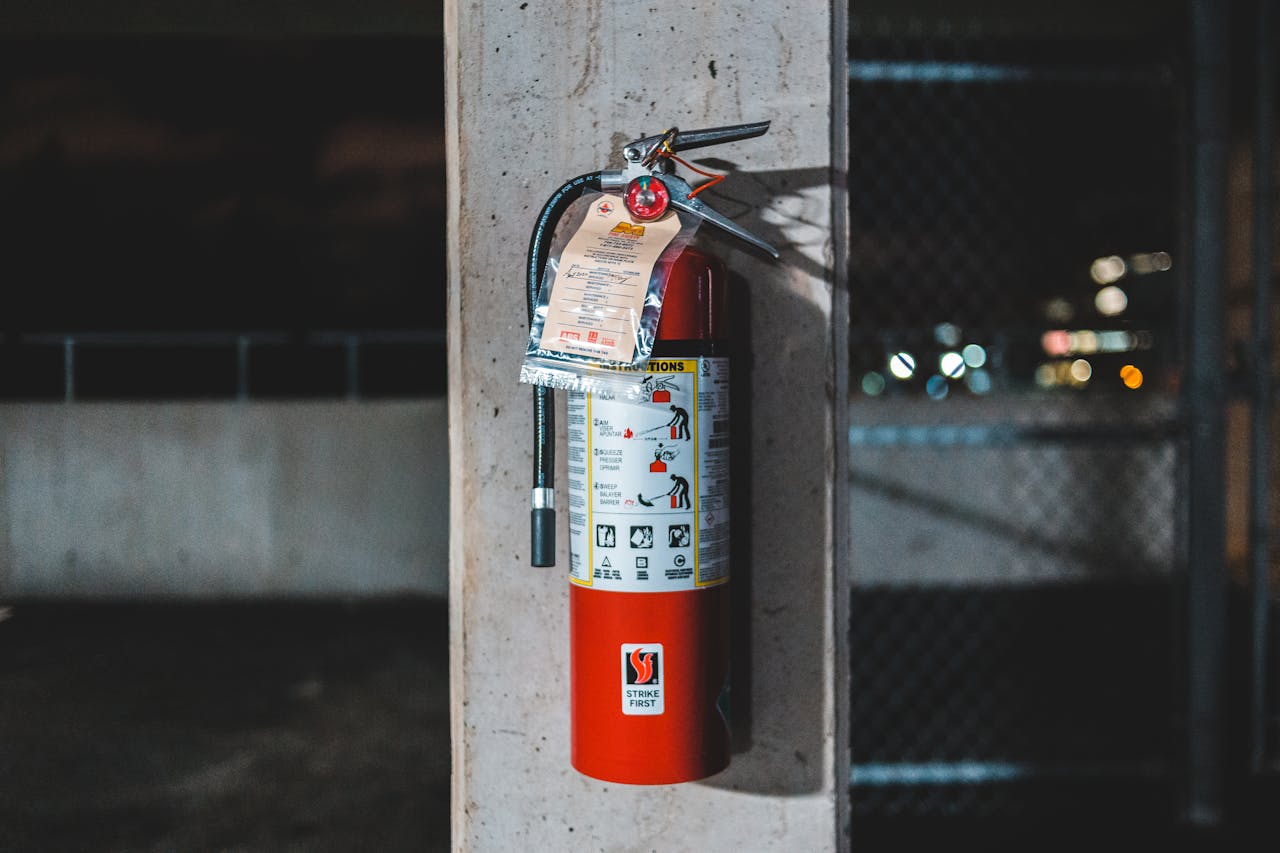
OSHA requires that portable fire extinguishers undergo an annual maintenance check, and timing this evaluation with Fire Prevention Month activities ensures consistency on a yearly basis. In conjunction with maintenance checks, provide refresher training for employees who may operate extinguishers. You can also use this time to double check relevant fire extinguisher markings for evidence of damage, including pre-cut floor marking kits used for clearance areas and directional signage that leads employees to this equipment.
3. Clear Escape Routes
Fire Prevention Month provides the perfect excuse to walk your facility’s evacuation routes, checking for obstructions and removing them when necessary. Introduce new Lean and 5S organization techniques where needed in an effort to keep them clear; add floor marking signs and tape that remind employees which areas need to be kept clear. Double check any existing floor markings for emergency evacuation for signs of damage; ripped edges or twisted tape could create tripping hazards that cost employees precious seconds in an emergency. If it’s time to replace existing markings, turn to Superior Mark® products: With beveled edges and recessed adhesive, Superior Mark® floor tape and signs stand up to heavy-duty industrial traffic, and they’re less likely to pose tripping hazards for employees.
4. Prioritize Electrical Safety
Electrical faults and malfunctions are among the most prevalent causes of workplace fires. During Fire Prevention Month, check your entire facility for electrical hazards, including faulty equipment and damaged or overloaded outlets, cords, and cables. Additionally, ensure that anything that can burn is stored away from electrical equipment. Update or add visual cues for electrical panel safety, including marking clearance areas in front of panels.
5. Control Smoking Areas
Smoking can pose a major fire hazard in warehouse and industrial facilities, especially those equipped with heavy-duty electrical machinery or those that handle flammable materials. During Fire Prevention Month, evaluate your current approach to non-smoking areas in the workplace and update markings as necessary. Non-smoking floor signs and floor tape can provide helpful reminders for visitors and guests, ensuring all individuals on premises remain safe from smoking-related fire hazards.
6. Update Floor Markings
During Fire Prevention Month, evaluate all fire-related floor markings for signs of damage, including twisting, tearing, or fading. Pay careful attention to signage identifying emergency exits, evacuation routes, fire extinguishers, and fire hazards. Repair damaged floor tape throughout your facility, including non-fire related markings that could still create trip and fall hazards, and repaint, update, or repair pavement markings, especially those designating fire lanes outside of your building.
7. Mark and Store Hazardous Materials
OSHA requires that all hazardous materials in primary and secondary containers be labeled according to the Globally Harmonized System, including a symbol or flammability. Ensure all containers are adequately marked, and evaluate storage of any flammable materials; they should be kept away from electrical and heating equipment.
8. Review Your Emergency Action Plan
An emergency action plan (EAP) is so important to fire preparedness that it is required by OSHA.¹ Evaluating your existing EAP on an annual basis—if not more frequently–ensures that your approach remains relevant to your facility’s needs and evolving standards. Use this annual audit of your fire plan as an opportunity to refresh all employees of fire safety processes and procedures so everyone is prepared in case of an emergency.
9. Post Temporary Fire Warning Signs
During Fire Prevention Month, supplement existing markings with temporary fire warning signs as a training exercise to help reinforce proper procedures, highlight exit routes, or provide general fire-related safety tips. Enhance employee education efforts by posting signs in the break room, around your facility, or at entrances to buildings. Custom signage allows you to communicate the exact messaging you’d like to prioritize for your facility.
10. Educate Employees
Supplement fire drills and reinforce prevention practices with mandatory employee training sessions. Remember that employee buy-in and involvement is central to the success of any workplace-wide safety program; for maximum efficacy, provide an environment in which workers are comfortable asking questions, raising concerns, and providing feedback.
Safety and emergency preparedness should be prioritized on an ongoing basis, not just during Fire Prevention Month. Use October to bolster efforts for fire prevention in the workplace, then continue those strategies all year long. For more tips on workplace safety, productivity, and more, explore our Resource Center.
Sources:
https://www.osha.gov/laws-regs/regulations/standardnumber/1910/1910.38


